
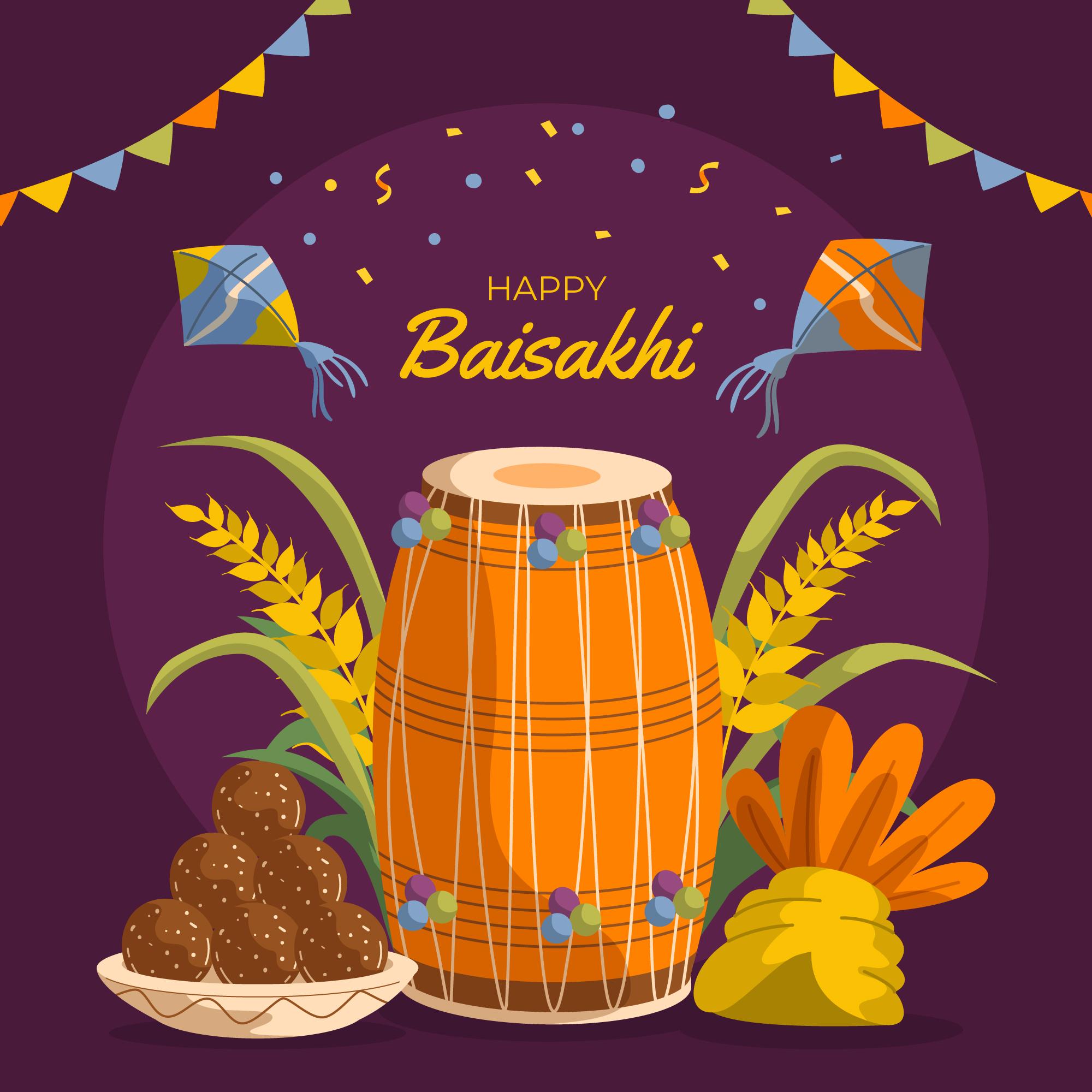
Baisakhi is one of the most vibrant and culturally rich festivals in India, celebrated with great enthusiasm especially in the state of Punjab. It marks the harvest season, the Punjabi New Year, and holds deep religious significance in Sikhism.
This festival beautifully blends agriculture, spirituality, and community celebration, making it one of the most important festivals in North India.
🌟 What is Baisakhi?
Baisakhi, also known as Vaisakhi, is celebrated every year on April 13 or 14. It marks the beginning of the harvest season for rabi crops, especially wheat, bringing joy and prosperity to farmers.
At the same time, it holds immense importance for Sikhs as it commemorates the formation of the Khalsa by Guru Gobind Singh in 1699.
📜 Historical and Religious Significance
Baisakhi is deeply rooted in Sikh history. On this day in 1699, Guru Gobind Singh established the Khalsa at Anandpur Sahib, promoting values of:
- Courage
- Equality
- Faith
- Justice
This event transformed Sikhism into a more unified and disciplined community.
For Sikhs, Baisakhi is not just a festival—it is a day of identity, unity, and spiritual awakening.
🌾 Agricultural Importance
For farmers, especially in Punjab and Haryana, Baisakhi marks:
- The harvest of wheat crops
- The beginning of a new agricultural cycle
- A time of gratitude for a good harvest
Fields turn golden, and farmers celebrate their hard work with joy and pride.
🎉 How Baisakhi is Celebrated
Baisakhi is full of energy, colors, and traditions. Here’s how people celebrate:
🛕 Gurudwara Visits
Devotees visit Gurudwaras, listen to kirtan (devotional songs), and participate in langar (community meals).
💃 Bhangra & Gidda
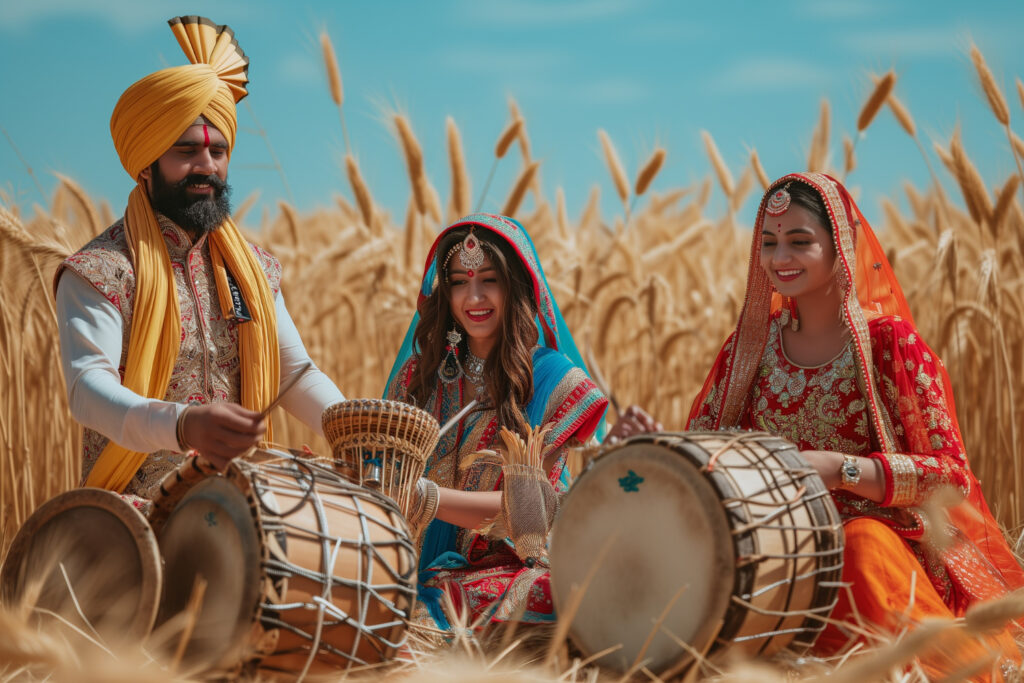
Traditional dances like Bhangra (men) and Gidda (women) are performed with vibrant music and enthusiasm.
🥻 Traditional Attire
People wear colorful Punjabi outfits:
- Men: Kurta, turban
- Women: Salwar kameez with dupatta
🍛 Festive Food
Delicious dishes are prepared, including:
- Sarson da saag & makki di roti
- Lassi
- Sweet treats like jalebi
🌍 Baisakhi Celebrations Beyond Punjab
While it is most popular in Punjab, Baisakhi is also celebrated in:
- Delhi
- Amritsar
- India and across the global Sikh diaspora
In Golden Temple, the celebrations are especially grand, attracting thousands of devotees.
🌼 Cultural Significance in Modern Times
Today, Baisakhi is more than a religious or agricultural festival. It represents:
👉 New beginnings
👉 Gratitude and prosperity
👉 Community bonding and joy
Even people outside the Sikh community celebrate it as a harvest festival and cultural event.
✨ Why Baisakhi Matters Today
In today’s fast-paced world, Baisakhi reminds us to:
- Appreciate hard work
- Stay connected to our roots
- Celebrate life’s blessings
It carries a powerful message:
👉 Hard work + faith = prosperity
📝 Conclusion
Baisakhi is a festival that beautifully combines history, spirituality, and celebration. From honoring the legacy of Guru Gobind Singh to celebrating the joy of harvest, it reflects the essence of Indian culture—unity, gratitude, and happiness.
Whether you celebrate it in a Gurudwara, with family, or simply by enjoying its cultural spirit, Baisakhi is truly a festival of new beginnings and positivity 🌾✨