
Ashtanga Yoga: Complete Guide to Meaning, Benefits, Series, and How to Start
Ashtanga Yoga is a dynamic and structured style of yoga that combines breath, movement, and discipline. Known for its powerful sequences and consistent flow, Ashtanga builds strength, flexibility, endurance, and mental focus.
If you are looking for a yoga practice that challenges both body and mind, Ashtanga Yoga may be the right choice.
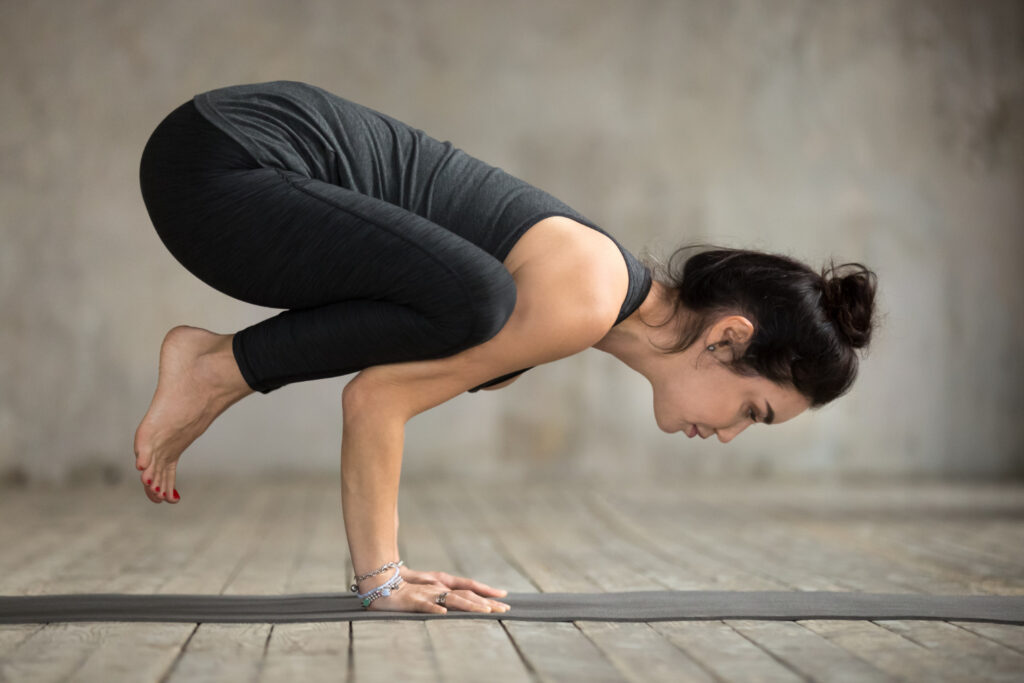
Quick Answer: What Is Ashtanga Yoga?
Ashtanga Yoga is a traditional, physically demanding style of yoga that follows a fixed sequence of poses synchronized with breath (vinyasa).
It was popularized in the 20th century by Sri K. Pattabhi Jois and is based on ancient yogic principles described in the Yoga Sutras of Patanjali.
What Does “Ashtanga” Mean?
The word Ashtanga comes from Sanskrit:
- Ashta = Eight
- Anga = Limbs
Ashtanga Yoga refers to the Eight Limbs of Yoga, which form the foundation of yogic philosophy:
- Yama (Ethical discipline)
- Niyama (Personal discipline)
- Asana (Posture)
- Pranayama (Breathing)
- Pratyahara (Withdrawal of senses)
- Dharana (Concentration)
- Dhyana (Meditation)
- Samadhi (Complete awareness)
The physical practice most people know is just one part of this larger system.
Key Features of Ashtanga Yoga
1. Fixed Sequence
Unlike other yoga styles, Ashtanga follows a specific sequence of poses in the same order every time.
2. Breath and Movement Connection
Each movement is linked to inhalation or exhalation. This creates a flowing meditation in motion.
3. Ujjayi Breathing
A controlled breathing technique used throughout the practice to maintain rhythm and internal heat.
4. Drishti (Focused Gaze)
Each pose has a specific focal point to improve concentration and awareness.
5. Internal Heat
The consistent flow builds body heat, helping detoxify through sweat.
The Six Series of Ashtanga Yoga
Ashtanga Yoga is divided into six progressive series:
- Primary Series (Yoga Chikitsa) – Detoxifies and aligns the body
- Intermediate Series (Nadi Shodhana) – Purifies the nervous system
3–6. Advanced Series – Require high strength, flexibility, and control
Most practitioners focus on mastering the Primary Series for years.
Benefits of Ashtanga Yoga
Builds Full-Body Strength
The dynamic flow strengthens arms, legs, core, and back muscles.
Improves Flexibility
Regular practice gradually increases range of motion.
Enhances Cardiovascular Endurance
The continuous movement elevates heart rate.
Boosts Mental Focus
Breath coordination and drishti improve concentration.
Supports Discipline and Consistency
The structured sequence develops mental resilience.
Is Ashtanga Yoga Good for Beginners?
Ashtanga Yoga can be challenging for complete beginners because it is physically intense. However, beginners can start with:
- Modified poses
- Slower pace
- Guided instruction
If you are new to yoga, building a foundation with Hatha or basic yoga classes can help before starting Ashtanga.
Ashtanga Yoga vs Other Yoga Styles
| Style | Pace | Intensity | Structure |
|---|---|---|---|
| Ashtanga | Fast & structured | High | Fixed sequence |
| Hatha | Slow | Moderate | Flexible |
| Vinyasa | Flow-based | Medium to high | Creative sequencing |
| Power Yoga | Athletic | High | Modern variation |
Ashtanga is more traditional and disciplined compared to modern yoga styles.
What Is a Mysore Class?
In traditional Ashtanga practice, students attend Mysore-style classes, where:
- Each student practices at their own pace
- The teacher gives individual guidance
- The sequence is memorized gradually
This method promotes independence and deeper learning.
Who Should Practice Ashtanga Yoga?
Ashtanga Yoga is ideal for:
- Physically active individuals
- Those who enjoy routine and structure
- People looking for a disciplined practice
- Practitioners wanting to deepen their yoga journey
In my Point of View, It may not be suitable for people with certain injuries unless guided by an experienced teacher.
How Often Should You Practice Ashtanga Yoga?
Traditional Ashtanga recommends practicing six days per week, resting on Saturdays and full moon/new moon days.
Beginners can start with 2–3 sessions per week and gradually increase frequency.
Common Mistakes in Ashtanga Yoga
- Rushing through poses
- Ignoring breath rhythm
- Comparing progress with others
- Overtraining without rest
Consistency and patience are more important than speed.
Safety Tips for Ashtanga Yoga
- Warm up properly
- Learn correct alignment
- Avoid forcing flexibility
- Rest when needed
- Seek qualified guidance
Listening to your body is essential.
Frequently Asked Questions (FAQ)
What is Ashtanga Yoga in simple terms?
Ashtanga Yoga is a structured and physically intense yoga style that follows a fixed sequence of poses linked with breathing.
Is Ashtanga Yoga good for weight loss?
Yes, Ashtanga Yoga can support weight loss because it increases heart rate, builds muscle, and burns calories.
How long is an Ashtanga Yoga session?
A full Primary Series practice typically lasts 60–90 minutes.
Can beginners do Ashtanga Yoga?
Beginners can try Ashtanga Yoga with modifications and proper guidance, though it is more physically demanding than Hatha Yoga.
What is the difference between Ashtanga and Vinyasa?
Ashtanga follows a fixed sequence of poses, while Vinyasa allows creative and varied sequences.
Conclusion: Is Ashtanga Yoga Right for You?
Ashtanga Yoga is powerful, disciplined, and transformative. It builds physical strength while sharpening mental focus.
If you enjoy structure, challenge, and steady progress, Ashtanga Yoga offers a lifelong path of growth.
Practice with patience. Breathe with awareness. Progress with discipline.