
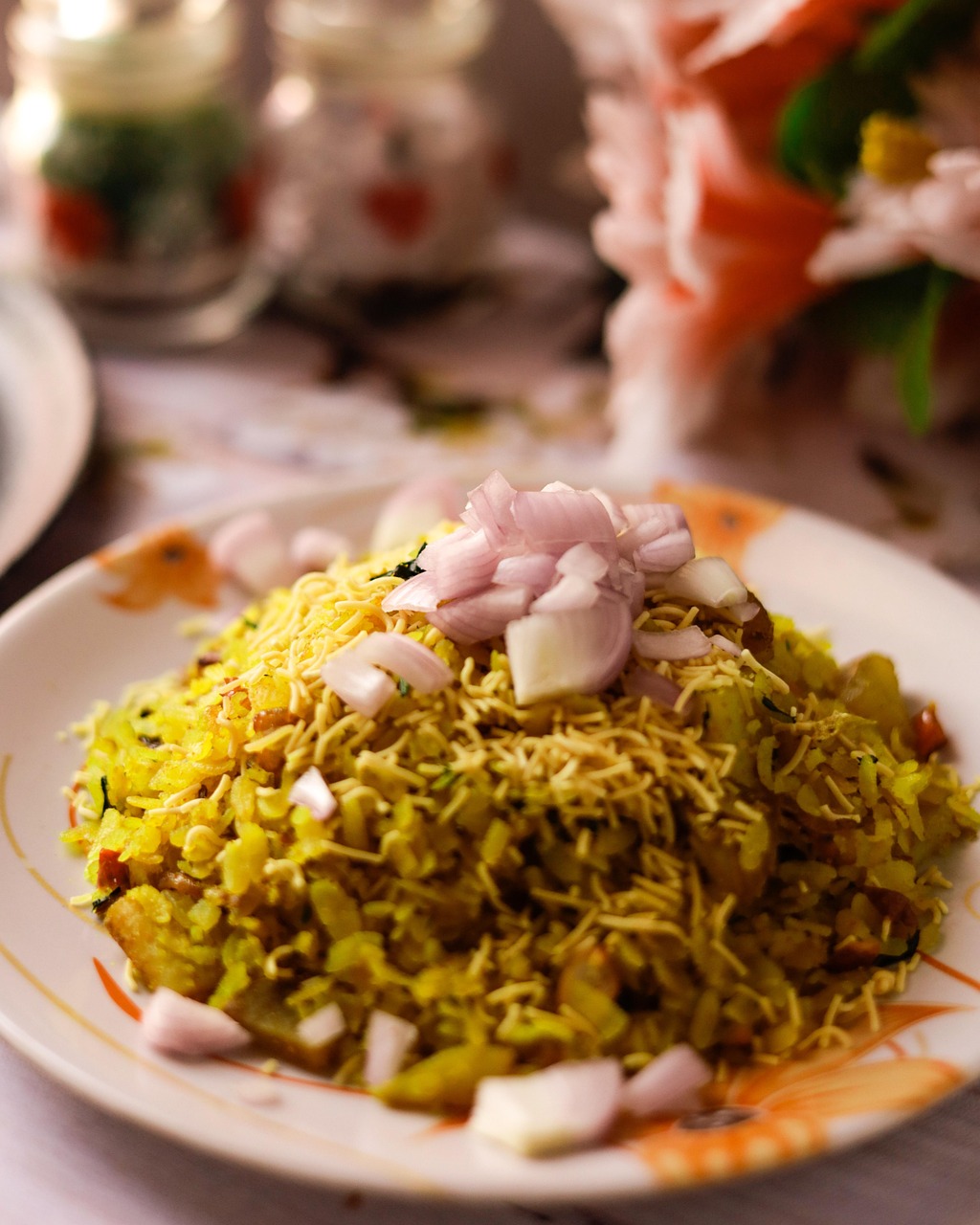
Poha, also known as flattened rice, is one of the most popular and easily digestible foods in India. It is commonly eaten for breakfast and light meals because it is quick to prepare, gentle on the stomach, and naturally gluten-free.
In this article, we’ll break down the nutritional value of poha per 100 grams, explain its health benefits, and clarify whether poha is good for weight loss and daily consumption.
What Is Poha?

Poha is made from rice grains that are parboiled, flattened, and dried. Because it is partially cooked during processing, poha becomes soft very quickly when soaked or cooked.
It is widely consumed across India and is often prepared with vegetables, peanuts, spices, and minimal oil.
Poha Nutritional Value per 100g (Raw)
Below is the approximate nutritional composition of plain, raw poha (flattened rice) per 100 grams:
| Nutrient | Amount per 100g |
|---|---|
| Calories | 130–140 kcal |
| Carbohydrates | 28–30 g |
| Protein | 2–3 g |
| Fat | 0.4–0.8 g |
| Dietary Fiber | 1–2 g |
| Iron | 0.8–1.2 mg |
| Calcium | 15–20 mg |
| Potassium | 30–40 mg |
| Sodium | Very low |
⚠️ Note- Values may vary slightly depending on the brand, thickness, and processing method.
Nutritional Value of Cooked Poha
When poha is cooked with vegetables, peanuts, and oil, its nutritional value changes:
- Calories increase based on oil and peanuts used
- Fiber content improves with vegetables
- Protein slightly increases if peanuts or legumes are added
A typical vegetable poha serving (150–180g cooked) provides around 200–250 calories.
Is Poha Healthy?
Yes, poha is considered a healthy and balanced food, especially when prepared mindfully.
Key Health Benefits of Poha
1. Easy to Digest
Poha is light on the stomach and suitable for:
- Morning meals
- People with digestive sensitivity
- Recovery diets
2. Good Source of Quick Energy
Poha is rich in complex carbohydrates, making it an excellent energy source for:
- Morning workouts
- Yoga practice
- Active lifestyles
3. Naturally Gluten-Free
Poha is safe for people with gluten intolerance or celiac sensitivity.
4. Low Fat Content
Plain poha is naturally low in fat, which makes it heart-friendly when cooked with minimal oil.
5. Contains Iron
Poha provides a small but meaningful amount of iron, which supports:
- Hemoglobin levels
- Energy metabolism
Adding lemon juice improves iron absorption.
Is Poha Good for Weight Loss?
Poha can support weight loss when consumed in controlled portions and prepared healthily.
Why Poha Works for Weight Loss:
- Low calorie density when cooked with minimal oil
- Keeps you full when combined with vegetables
- Provides sustained energy, reducing cravings
Tips to Make Poha Weight-Loss Friendly:
- Use less oil (1 tsp or less)
- Add vegetables like carrots, peas, beans
- Limit peanuts if calorie control is needed
- Pair with protein (sprouts or curd)
Poha vs Rice: Which Is Better?
| Aspect | Poha | White Rice |
|---|---|---|
| Digestibility | Easier | Moderate |
| Cooking Time | Very fast | Longer |
| Calories | Slightly lower | Slightly higher |
| Fiber | Slightly higher | Low |
| Glycemic Impact | Moderate | High |
Poha is often preferred for breakfast due to its lighter nature and faster digestion.
Best Time to Eat Poha
Poha is best consumed:
- In the morning
- Before or after light physical activity
- As a light lunch
It is less ideal late at night due to its carbohydrate content.
Who Should Be Careful with Poha?
While poha is healthy, moderation is key for:
- People with diabetes (portion control is important)
- Those on very low-carb diets
Pairing poha with protein and fiber helps balance blood sugar response.
Final Thoughts
Poha is a nutritious, affordable, and versatile food that fits well into a balanced Indian diet. When eaten mindfully, it supports energy, digestion, and overall wellness.
Whether your goal is weight management, digestive health, or sustained energy, poha can be a smart addition to your meals.