
Vinyasa Yoga is one of the most dynamic and powerful styles of yoga practiced worldwide. Often called “flow yoga,” it connects breath with movement in a continuous, graceful sequence.
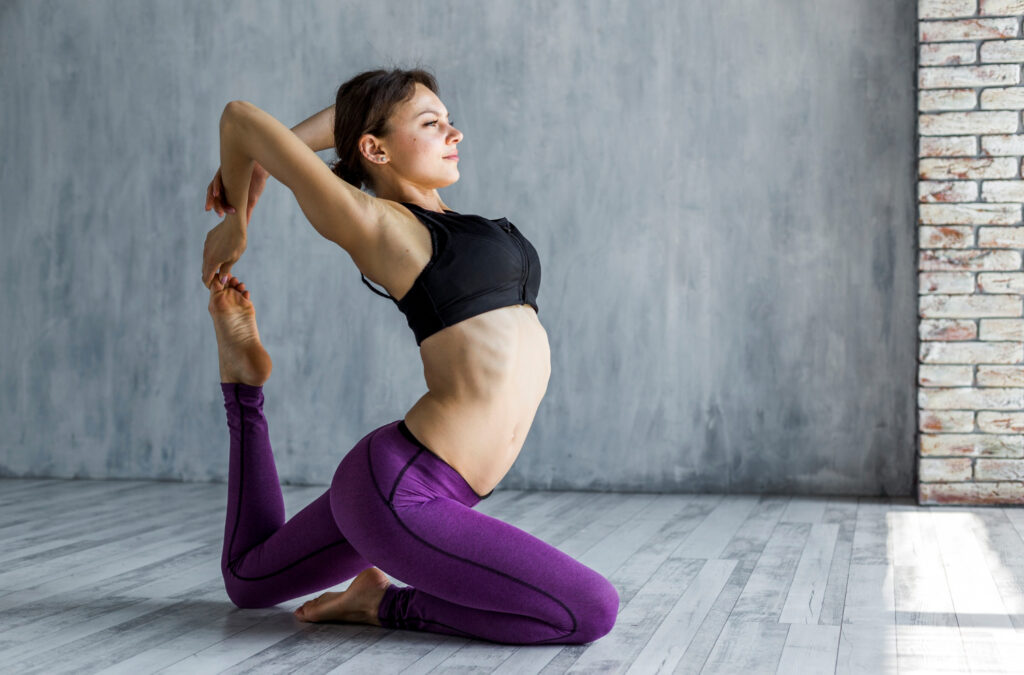
If you want to build strength, improve flexibility, burn calories, and calm your mind — Vinyasa Yoga might be exactly what your body and soul need.
In this complete guide, you’ll learn:
- What Vinyasa Yoga really means
- Key benefits of Vinyasa Yoga
- How it differs from Hatha and Ashtanga
- Who should practice it
- A beginner-friendly flow sequence
Let’s begin.
What Is Vinyasa Yoga?
The word “Vinyasa” comes from Sanskrit:
- Vi = in a special way
- Nyasa = to place
Vinyasa means “to place movements in a special, mindful way.”
In practice, Vinyasa Yoga links each movement with breath. Every inhale and exhale guides your body into the next posture.
Unlike static yoga styles, Vinyasa feels like a smooth dance — flowing from one pose to another without long pauses.
Key Characteristics of Vinyasa Yoga
- Continuous flowing movement
- Breath-synchronized transitions
- Creative sequences (no fixed pattern)
- Moderate to high intensity
- Often includes Sun Salutations
This makes Vinyasa both energizing and meditative at the same time.
Top Benefits of Vinyasa Yoga
1. Builds Full-Body Strength
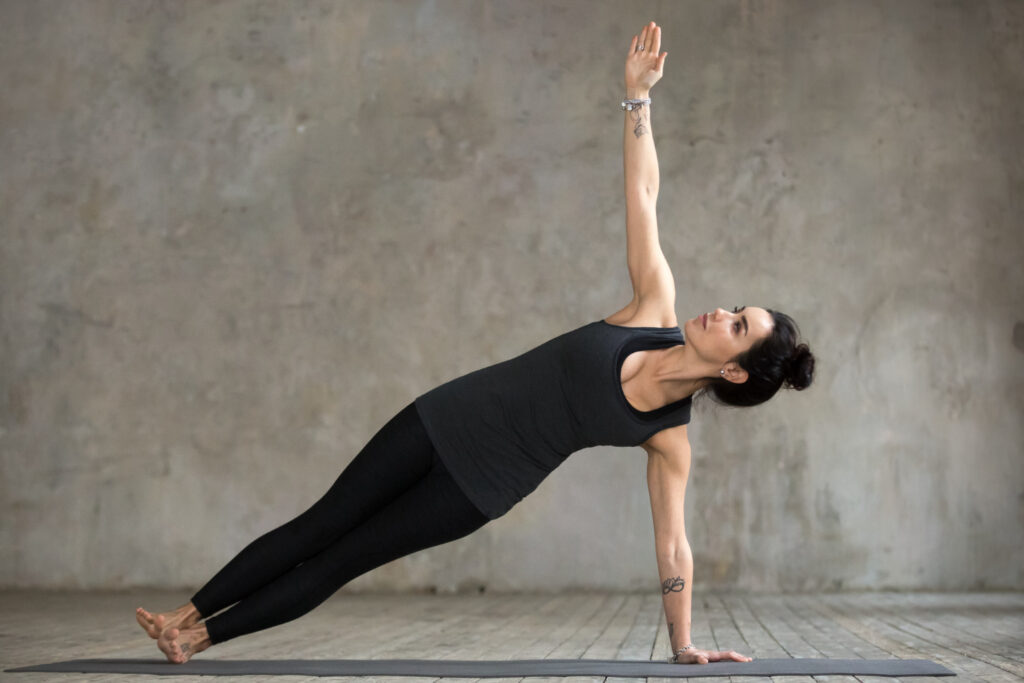
Holding poses like Plank, Chaturanga, and Warrior strengthens your core, legs, arms, and back.
2. Improves Flexibility
Regular practice opens hips, shoulders, and hamstrings through dynamic stretching.
3. Supports Weight Loss
Because Vinyasa is faster-paced, it burns more calories compared to gentle yoga styles.
4. Reduces Stress & Anxiety
Breath-focused movement activates the parasympathetic nervous system, calming the mind.
5. Improves Focus
Linking breath and motion increases mental clarity and awareness.
Vinyasa Yoga vs Hatha Yoga
| Feature | Vinyasa Yoga | Hatha Yoga |
|---|---|---|
| Speed | Dynamic & flowing | Slow & steady |
| Intensity | Moderate to high | Gentle to moderate |
| Structure | Creative sequences | Structured poses |
| Focus | Movement + breath | Alignment + holding |
If you enjoy movement and variety, Vinyasa is ideal.
If you prefer slower practice, Hatha may suit you better.
Is Vinyasa Yoga Good for Beginners?
Yes — but with guidance.
Beginners can start with:
- Slow-paced Vinyasa classes
- Modified poses
- Focus on breath control
If you are completely new to yoga, learning basic poses first can help prevent injury.
Basic Beginner Vinyasa Flow (Simple Sequence)
Try this 5–7 minute mini flow:
- Mountain Pose (Tadasana)
- Forward Fold (Uttanasana)
- Half Lift
- Plank
- Chaturanga
- Upward Dog
- Downward Dog
- Step forward → Rise → Repeat
Move with breath:
- Inhale → Lift
- Exhale → Fold
- Inhale → Lengthen
- Exhale → Step back
Flow, don’t rush.
Who Should Practice Vinyasa Yoga?
Vinyasa is ideal for:
- Fitness enthusiasts
- People who get bored easily
- Those wanting strength + flexibility
- Individuals looking for active meditation
Avoid intense practice if you have:
- Severe back injuries
- Wrist pain
- Uncontrolled high blood pressure
Consult a professional if unsure.
Spiritual Side of Vinyasa
Vinyasa is not just physical exercise.
It reflects life itself:
- Constant change
- Continuous movement
- Breath as anchor
Each flow reminds us to stay balanced in motion — physically and mentally.
How Often Should You Practice?
For best results:
- 3–4 times per week for beginners
- 4–5 times per week for intermediate
- 20–45 minutes per session
Consistency matters more than intensity.
Final Thoughts: Is Vinyasa Yoga Worth It?
Absolutely.
Vinyasa Yoga combines:
Strength
Cardio
Flexibility
Mindfulness
Breath awareness
It’s one of the most complete modern yoga practices available today.
If you want a yoga style that challenges your body and calms your mind — Vinyasa Yoga is a powerful choice.
🌿 Ready to Start Your Yoga Journey?
If you found this guide helpful:
- Explore more yoga asanas on our blog
- Join our beginner-friendly yoga program
- Follow for daily yoga wisdom
Your transformation begins with one breath.