
Pranayama is more than just breathing — it is the science of controlling life force energy through conscious breath. But what actually happens when you practice pranayama daily?
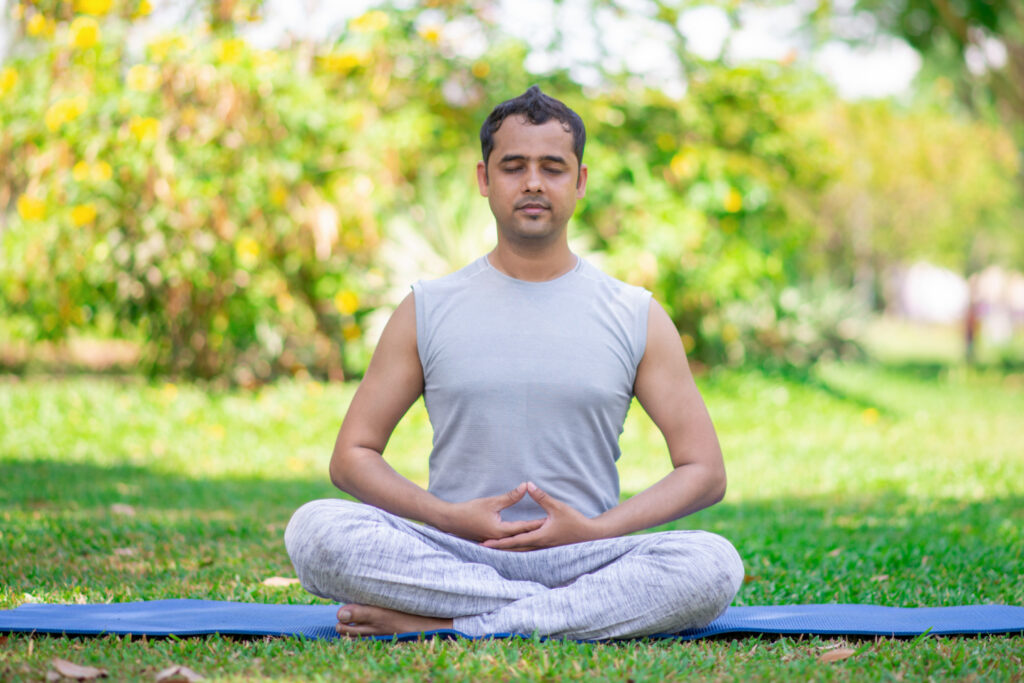
If you commit to even 10–20 minutes a day, your body, mind, and nervous system begin to transform in powerful ways. Let’s explore the real, science-backed changes that happen when pranayama becomes a daily habit.
What Is Pranayama?
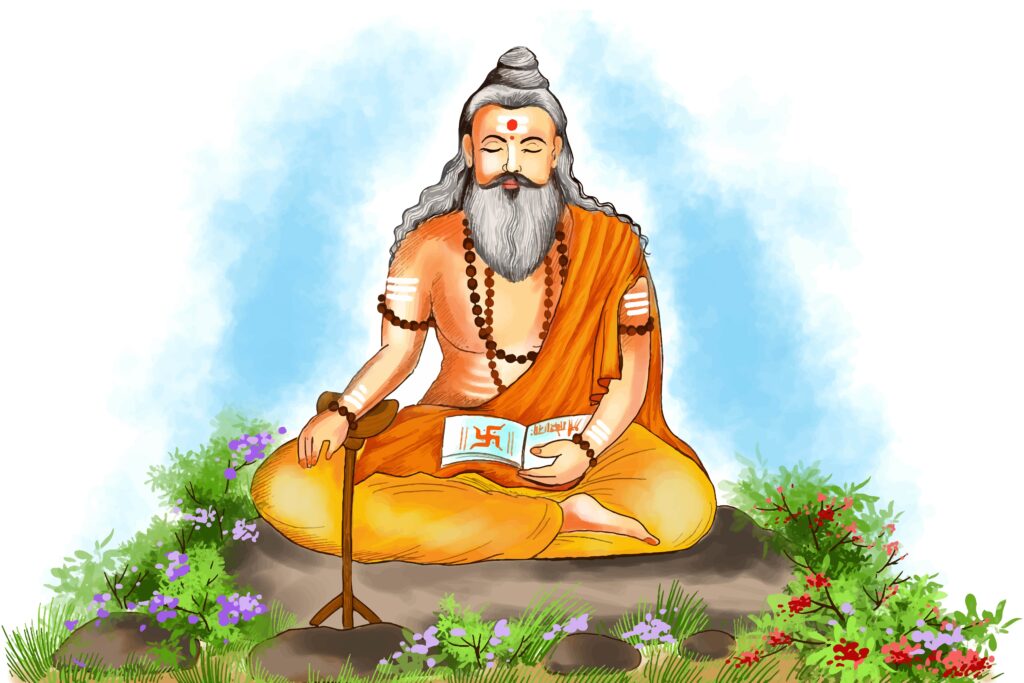
In yogic philosophy, “Prana” means life force energy and “Ayama” means expansion or control. Pranayama is a core limb of yoga described in the ancient text Yoga Sutras of Patanjali.
It includes breathing techniques such as:
- Anulom Vilom (Alternate Nostril Breathing)
- Kapalbhati (Skull Shining Breath)
- Bhramari (Humming Bee Breath)
- Ujjayi (Victorious Breath)
- Nadi Shodhana (Energy Channel Cleansing Breath)
Now let’s understand what happens when you practice these daily.
1. Your Nervous System Calms Down
Daily pranayama activates your parasympathetic nervous system — the “rest and digest” mode.
What You’ll Notice:
- Reduced stress and anxiety
- Lower heart rate
- Improved sleep quality
- Less overthinking
Slow breathing increases vagal tone (vagus nerve activation), which helps your body shift from stress to relaxation.
Result: You feel calmer without changing your external situation.
2. Your Lung Capacity Improves
Most people breathe shallowly. Daily pranayama trains your lungs to expand fully.
Changes After 2–4 Weeks:
- Increased oxygen intake
- Better stamina
- Reduced breathlessness
- Stronger respiratory muscles
Practices like Kapalbhati and deep diaphragmatic breathing increase lung efficiency significantly.
3. Your Mind Becomes Sharper and More Focused

Breathing directly affects brain function.
When you practice pranayama daily:
- Oxygen supply to the brain improves
- Cortisol (stress hormone) reduces
- Concentration improves
- Mental clarity increases
Students, professionals, and creators often report better decision-making and sharper memory.
If you create meditation or yoga content, this also improves your on-camera presence and clarity of speech.
4. Emotional Stability Increases
Daily breath control regulates emotional reactivity.
Instead of reacting instantly:
- You respond calmly
- Anger reduces
- Mood swings decrease
- Emotional awareness increases
Practices like Bhramari pranayama are especially powerful for anxiety and emotional release.
5. Blood Pressure and Heart Health Improve
Slow breathing techniques:
- Improve heart rate variability (HRV)
- Lower systolic and diastolic blood pressure
- Improve circulation
Regular practice reduces the long-term risk of lifestyle diseases when combined with healthy habits.
6. Digestive System Functions Better
You may notice:
- Reduced bloating
- Improved metabolism
- Better bowel movement
- Reduced acidity
Pranayama improves oxygen supply to digestive organs and reduces stress-related digestive issues.
7. Sleep Quality Deeply Improves

If you struggle with:
- Insomnia
- Light sleep
- Night awakenings
Practicing 5–10 minutes of slow pranayama before bed can significantly improve sleep depth.
Especially effective:
- Nadi Shodhana
- Bhramari
8. Your Energy Levels Increase Naturally
Instead of depending on:
- Caffeine
- Sugar
- External stimulation
You begin to feel natural energy throughout the day.
Morning pranayama increases alertness while evening practice promotes calmness.
9. Spiritual Awareness Deepens
On a deeper level, daily pranayama:
- Balances chakras
- Purifies energy channels (nadis)
- Prepares mind for meditation
- Increases self-awareness
It acts as a bridge between physical yoga and meditation.
Timeline: What Happens Week by Week?
Week 1:
- Slight calmness
- Improved breathing awareness
Week 2–3:
- Reduced stress
- Better sleep
- Clearer thinking
Week 4–6:
- Emotional balance
- Increased stamina
- Noticeable confidence boost
2–3 Months:
- Stable mood
- Strong focus
- Deep inner calm
- Habit becomes addictive (in a healthy way)
How Long Should You Practice Daily?
For best results:
- Beginners: 10 minutes
- Intermediate: 15–20 minutes
- Advanced: 30+ minutes
Consistency matters more than duration.
Who Should Avoid or Modify Pranayama?
Avoid intense pranayama if:
- You have uncontrolled high blood pressure
- Recent surgery
- Severe respiratory conditions
- Pregnancy (avoid forceful breathing like Kapalbhati)
Always consult a professional if you have medical conditions.
Best Daily Pranayama Routine (Beginner Friendly)
Morning (10–15 Minutes):
- Deep Belly Breathing – 2 minutes
- Anulom Vilom – 5 minutes
- Kapalbhati – 3 minutes
- Short Meditation – 3 minutes
Night (Optional 5 Minutes):
- Bhramari – 5 rounds
- Slow breathing before sleep
Final Thoughts: Is Daily Pranayama Worth It?
Yes — absolutely.
Daily pranayama:
- Rewires your nervous system
- Strengthens lungs and heart
- Improves emotional control
- Increases focus and productivity
- Enhances spiritual awareness
It is one of the simplest yet most powerful daily habits you can build.
Start with just 10 minutes tomorrow morning — and observe what changes in 30 days.