
Yoga is more than a physical workout. It is a holistic practice that brings balance to the body, mind, and breath. Practiced for thousands of years, yoga has evolved into a globally recognized system for improving physical health, mental clarity, and emotional well-being.
In this article, you’ll learn what yoga truly is, where it comes from, how it works, and why millions of people practice it today.
What Is Yoga?
Yoga is an ancient discipline that originated in India and focuses on harmonizing the body, mind, and breath. The word yoga comes from the Sanskrit root “Yuj”, which means to unite or to join.
At its core, yoga is about:
- Building physical strength and flexibility
- Cultivating mental calm and focus
- Developing awareness of breath and body
- Creating balance in daily life
Unlike exercise routines that focus only on muscles or weight loss, yoga works on multiple layers of human well-being.
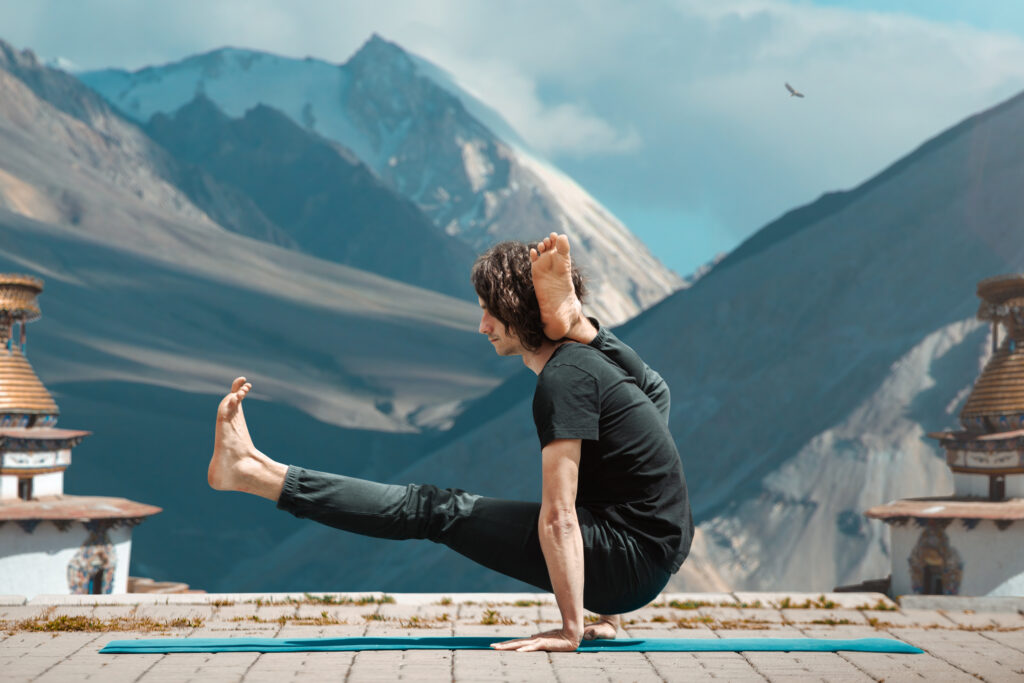
The Origin and History of Yoga
Yoga originated in India over 5,000 years ago. The earliest references to yoga appear in ancient texts such as the Vedas, Upanishads, and later the Yoga Sutras of Patanjali.
Patanjali defined yoga as:
“Yoga is the calming of the fluctuations of the mind.”
Over time, yoga evolved into different paths and styles, making it adaptable for people of all ages, cultures, and fitness levels.
What Does Yoga Include?
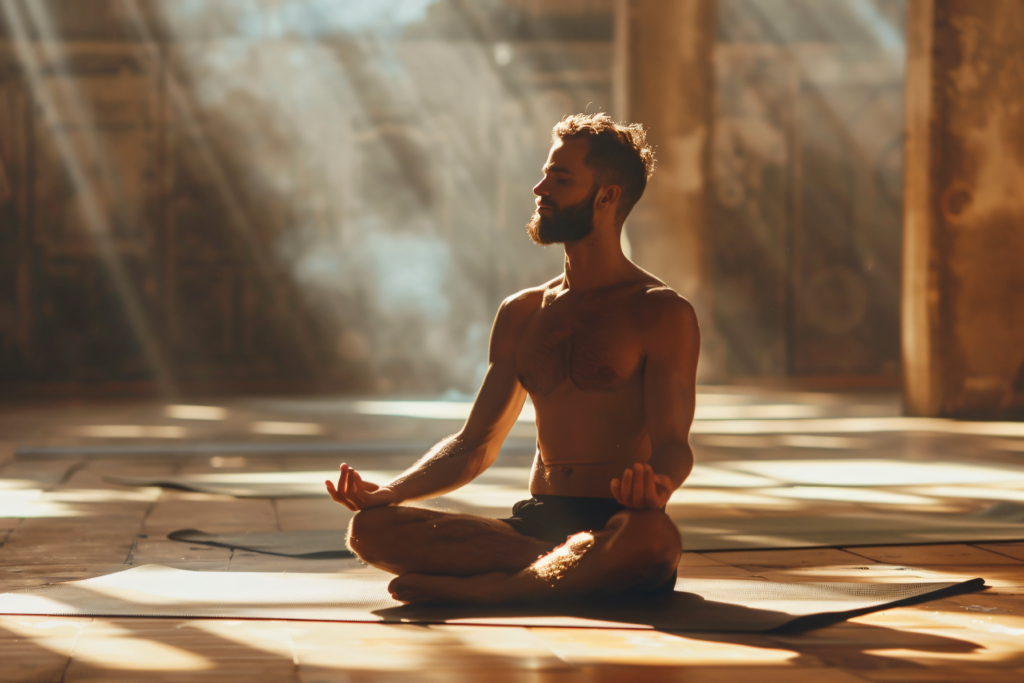
Modern yoga practice typically includes four main components:
1. Yoga Asanas (Postures)
Asanas are physical poses designed to improve:
- Strength
- Flexibility
- Posture
- Joint mobility
They range from gentle stretches to more dynamic movements, depending on the style of yoga.
2. Pranayama (Breathing Techniques)
Pranayama focuses on conscious breathing. Controlled breathing helps:
- Calm the nervous system
- Reduce stress and anxiety
- Improve lung capacity
- Increase mental clarity
Breath is considered the bridge between the body and mind in yoga.
3. Meditation and Mindfulness
Meditation in yoga trains the mind to:
- Stay present
- Reduce mental clutter
- Improve emotional balance
Even a few minutes of meditation can have a profound impact on stress and focus.
4. Relaxation and Awareness
Yoga teaches deep relaxation, allowing the body to recover and the mind to reset. Practices like Shavasana (corpse pose) are essential for integrating the benefits of yoga.
Types of Yoga
There are many styles of yoga practiced today. Some popular ones include:
- Hatha Yoga – Gentle and beginner-friendly
- Vinyasa Yoga – Flow-based and dynamic
- Ashtanga Yoga – Structured and physically demanding
- Yin Yoga – Slow, deep stretches
- Restorative Yoga – Deep relaxation and healing
Each style serves a different purpose, but all aim to create balance and awareness.
Benefits of Yoga
Yoga offers benefits that go beyond physical fitness.
Physical Benefits
- Improves flexibility and strength
- Supports spinal health and posture
- Enhances balance and coordination
- Reduces body stiffness and pain
Mental and Emotional Benefits
- Reduces stress and anxiety
- Improves focus and concentration
- Enhances emotional stability
- Promotes better sleep
Lifestyle Benefits
- Encourages mindful living
- Builds body awareness
- Supports long-term health habits
Is Yoga Only About Flexibility?
This is a common misconception. Yoga is not about being flexible—it is about becoming aware and balanced.
Flexibility improves naturally with practice, but yoga primarily focuses on:
- Safe movement
- Breath awareness
- Consistency, not perfection
Yoga is suitable for beginners, seniors, office workers, and even people with limited mobility (with proper guidance).
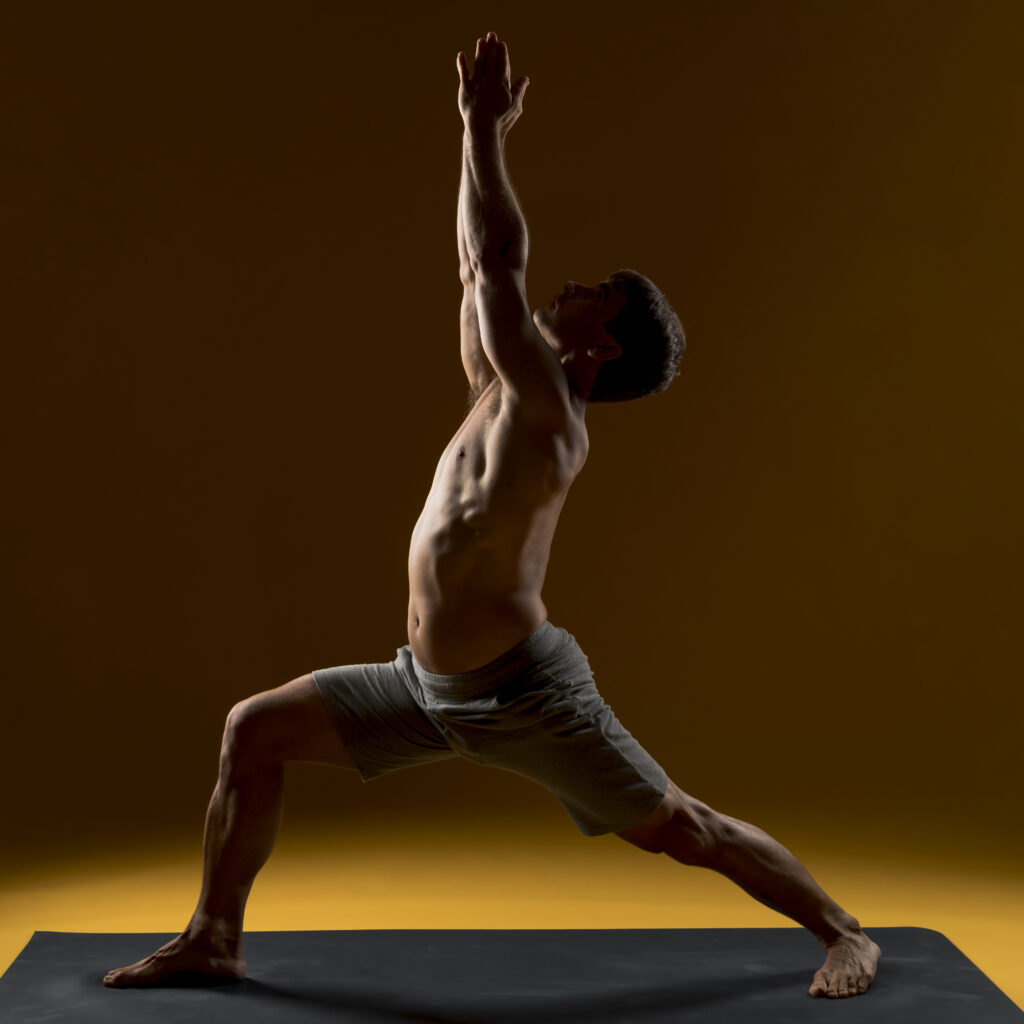
How Yoga Fits into Modern Life
In today’s fast-paced world, yoga provides a practical solution for:
- Sedentary lifestyles
- Work-related stress
- Digital fatigue
- Mental overload
You don’t need hours of practice. Even 15–30 minutes a day can make a noticeable difference.
Who Can Practice Yoga?
Yoga is for:
- Beginners and advanced practitioners
- Young adults and seniors
- Men and women
- People seeking fitness, stress relief, or inner balance
With proper modifications, yoga can be adapted to almost any individual.
How to Start Yoga as a Beginner
If you’re new to yoga:
- Start with simple poses
- Focus on breath, not depth
- Practice consistently
- Avoid comparison
- Listen to your body
Guided programs and beginner-friendly routines are often the safest and most effective way to begin.
Final Thoughts: What Yoga Really Means
Yoga is not just a physical activity—it is a way of living with awareness. Whether your goal is better health, reduced stress, or mental clarity, yoga offers tools that can support you at every stage of life.
You don’t need to be perfect.
You just need to begin.