In a fast-moving world filled with intense workouts and constant stimulation, Yin Yoga offers something rare — stillness.
Unlike dynamic yoga styles like Vinyasa or Ashtanga, Yin Yoga is slow, meditative, and deeply restorative. It targets the deeper connective tissues of the body while calming the nervous system.
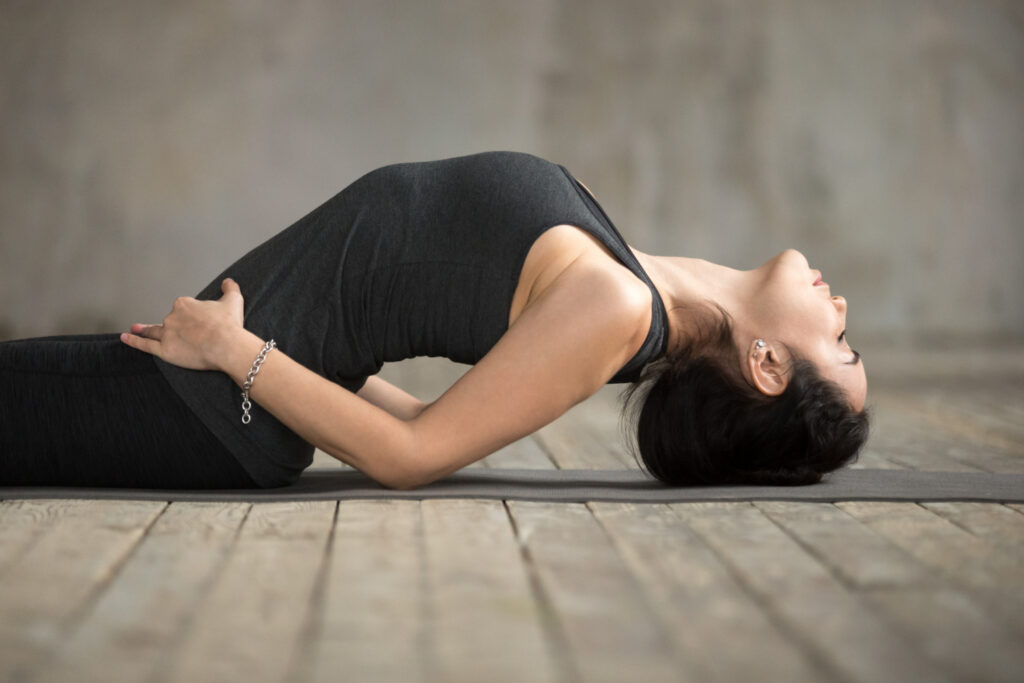
If you’re looking to improve flexibility, reduce stress, and cultivate inner awareness, Yin Yoga may be the missing piece in your wellness journey.
What Is Yin Yoga?
Yin Yoga is a slow-paced style of yoga where poses are held for extended periods — typically 3 to 5 minutes, sometimes longer.
It focuses on:
- Ligaments
- Fascia
- Tendons
- Joints
Rather than activating muscles (like Yang styles), Yin encourages passive stretching and surrender.
The practice is rooted in:
- Traditional Chinese Medicine
- Taoist philosophy
- Modern anatomy of fascia
Yin represents stillness, cooling energy, and introspection.

How Yin Yoga Works
When you hold a pose for several minutes:
- Muscles relax
- Deep connective tissues gently stretch
- Joint mobility improves
- Circulation increases
This slow stress on tissues helps stimulate collagen production and improves long-term flexibility.
Unlike power yoga, Yin is not about strength or sweating. It is about awareness and patience.
Key Benefits of Yin Yoga
1. Deep Flexibility
Yin targets fascia and connective tissue — areas often neglected in active yoga styles.
This improves:
- Hip mobility
- Spine flexibility
- Joint health
2. Reduces Stress & Anxiety
Long holds activate the parasympathetic nervous system — the body’s “rest and digest” mode.
This lowers:
- Cortisol levels
- Heart rate
- Mental tension
3. Improves Joint Health
By gently stressing connective tissues, Yin increases joint lubrication and mobility — especially beneficial for aging practitioners.
4. Enhances Mindfulness
Holding poses in stillness trains the mind to observe discomfort without reacting.
This builds:
- Emotional resilience
- Patience
- Mental clarity
5. Complements Active Yoga
If you practice Vinyasa, Ashtanga, or strength training, Yin balances intense workouts and prevents stiffness.
Yin Yoga vs Vinyasa Yoga
| Feature | Yin Yoga | Vinyasa Yoga |
|---|---|---|
| Speed | Slow | Fast |
| Pose Duration | 3–5 minutes | 3–5 breaths |
| Target Tissue | Connective tissue | Muscles |
| Intensity | Gentle | Moderate to intense |
| Goal | Deep stretch + relaxation | Strength + flow |
Both styles are powerful — but Yin provides the restorative balance.
Common Yin Yoga Poses
Some foundational Yin postures include:
- Butterfly Pose
- Dragon Pose
- Sphinx Pose
- Child’s Pose
- Seated Forward Fold
These poses focus primarily on hips, spine, and lower body — where most tension accumulates.
Is Yin Yoga Good for Beginners?
Yes — Yin Yoga is beginner-friendly.
However, beginners should:
- Avoid pushing into pain
- Use props like bolsters and blocks
- Focus on gentle sensations, not intensity
Yin is not about “stretching more.” It’s about relaxing deeper.
Who Should Practice Yin Yoga?
Yin is ideal for:
- People with tight hips or hamstrings
- Office workers sitting long hours
- Athletes needing recovery
- Anyone experiencing stress
- Meditation practitioners
It is especially beneficial for those who feel constantly rushed or overstimulated.
How Often Should You Practice Yin Yoga?
For best results:
- 2–3 sessions per week
- 20–45 minutes per session
- Combine with more active yoga styles
Even one weekly session can significantly improve flexibility and mental calmness.
The Spiritual Side of Yin Yoga
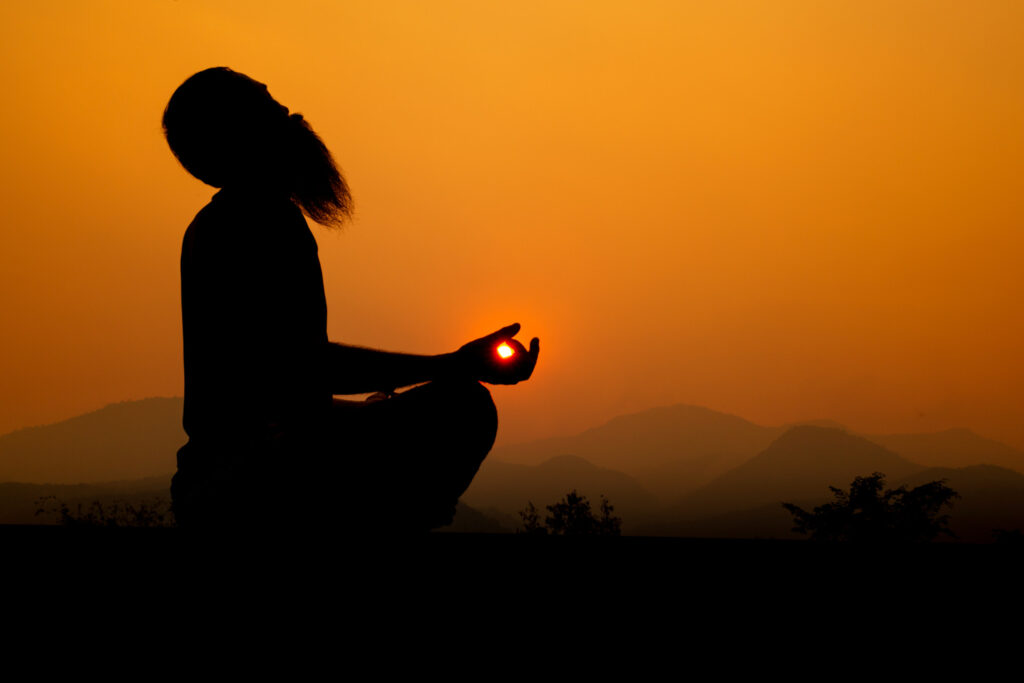
Yin teaches surrender.
When you hold stillness:
- You confront resistance
- You observe discomfort
- You learn patience
In many ways, Yin is meditation through the body.
It reminds us that growth does not always come from effort — sometimes it comes from stillness.
Precautions & Safety Tips
Avoid deep stretches if you have:
- Recent injuries
- Severe joint instability
- Osteoporosis (consult doctor first)
Always:
- Warm up slightly before practice
- Exit poses slowly
- Never force range of motion
Yin works best when practiced with awareness.
Final Thoughts: Why Yin Yoga Matters Today
Modern life is full of “Yang” energy — speed, intensity, productivity.
Yin Yoga restores balance.
It improves flexibility, reduces stress, strengthens joints, and cultivates mindfulness.
If you feel tight, overwhelmed, or mentally exhausted — Yin Yoga may be exactly what your body and mind are asking for.
🌿 Begin Your Yin Journey Today
Start with a 20-minute Yin session.
Focus on your breath.
Hold gently.
Observe without judgment.
Stillness is powerful.