


Back pain has become one of the most common health problems worldwide. Whether it’s caused by long sitting hours, poor posture, stress, lack of exercise, or muscle stiffness, millions of people struggle with discomfort every day. Fortunately, yoga offers a natural and effective solution for improving flexibility, strengthening muscles, and reducing chronic pain.
In this detailed guide, you’ll discover the best yoga poses for back pain, how they work, their benefits, precautions, and tips to practice safely. This article is designed for beginners and advanced practitioners alike and is fully optimized for search engines and user experience.
Why Yoga Helps Relieve Back Pain
Yoga combines stretching, breathing, balance, and mindful movement. Unlike high-impact exercises, yoga gently strengthens the spine and surrounding muscles while improving mobility and posture.
Benefits of Yoga for Back Pain
- Improves spinal flexibility
- Reduces muscle stiffness
- Strengthens core muscles
- Improves posture and alignment
- Reduces stress-related tension
- Enhances blood circulation
- Promotes relaxation and better sleep
Several studies suggest that regular yoga practice can significantly reduce lower back pain and improve daily function.
Common Causes of Back Pain
Understanding the root cause helps you choose the right yoga routine.
Major Causes Include
- Sitting for long hours
- Poor posture
- Weak core muscles
- Herniated discs
- Muscle strain
- Stress and anxiety
- Obesity
- Lack of physical activity
- Heavy lifting
- Sciatica
Yoga addresses many of these causes naturally through movement and awareness.
Best Yoga Poses for Back Pain Relief
Below are the most effective yoga poses recommended by yoga instructors and physical wellness experts.
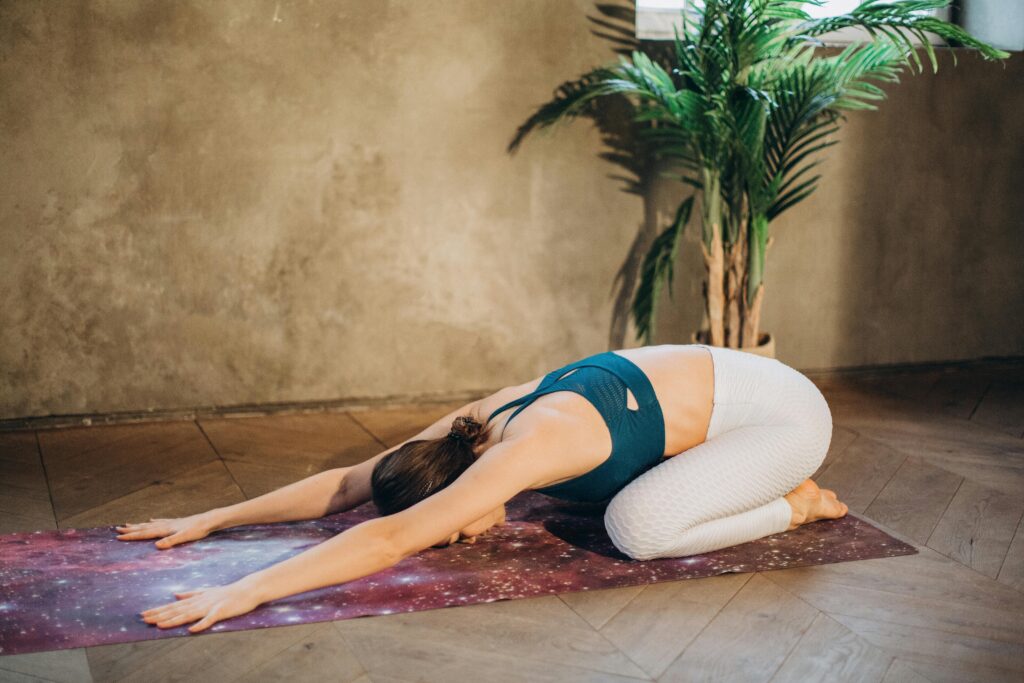
1. Child’s Pose (Balasana)
Why It Helps
Child’s Pose gently stretches the lower back, hips, and spine while relaxing the nervous system.
How to Do It
- Kneel on the floor.
- Sit back on your heels.
- Stretch your arms forward.
- Lower your chest toward the mat.
- Rest your forehead on the ground.
- Hold for 30–60 seconds.
Benefits
- Relieves lower back tension
- Calms the mind
- Stretches hips and thighs
Best For
- Lower back pain
- Stress-related tension
- Beginners
2. Cat-Cow Pose (Marjaryasana-Bitilasana)

Why It Helps
This gentle spinal movement improves flexibility and mobility while reducing stiffness.
Steps
- Come onto all fours.
- Inhale and arch your back (Cow Pose).
- Exhale and round your spine (Cat Pose).
- Continue slowly for 1–2 minutes.
Benefits
- Improves spinal flexibility
- Warms up the back muscles
- Enhances posture
Best For
- Morning stiffness
- Sedentary lifestyle
- Desk workers
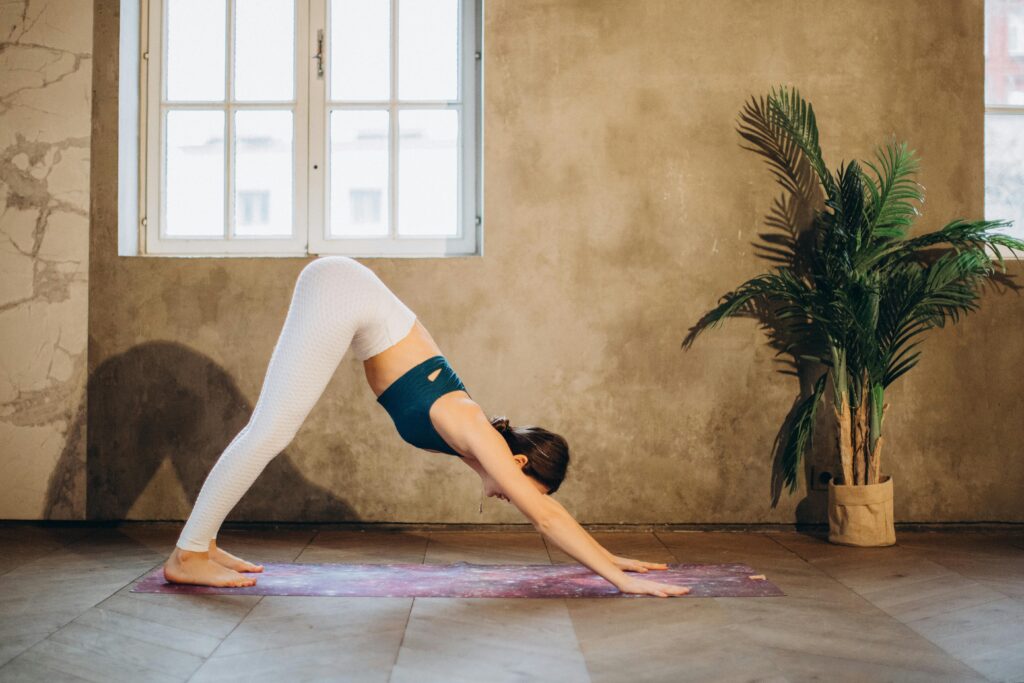
3. Downward Facing Dog (Adho Mukha Svanasana)
Why It Helps
This pose stretches the hamstrings, spine, shoulders, and calves while decompressing the vertebrae.
Steps
- Start on hands and knees.
- Lift hips toward the ceiling.
- Straighten your legs gradually.
- Press hands firmly into the mat.
- Hold for 30 seconds.
Benefits
- Lengthens the spine
- Improves circulation
- Reduces back tightness
Best For
- Mild lower back discomfort
- Tight hamstrings
- Full body stretch
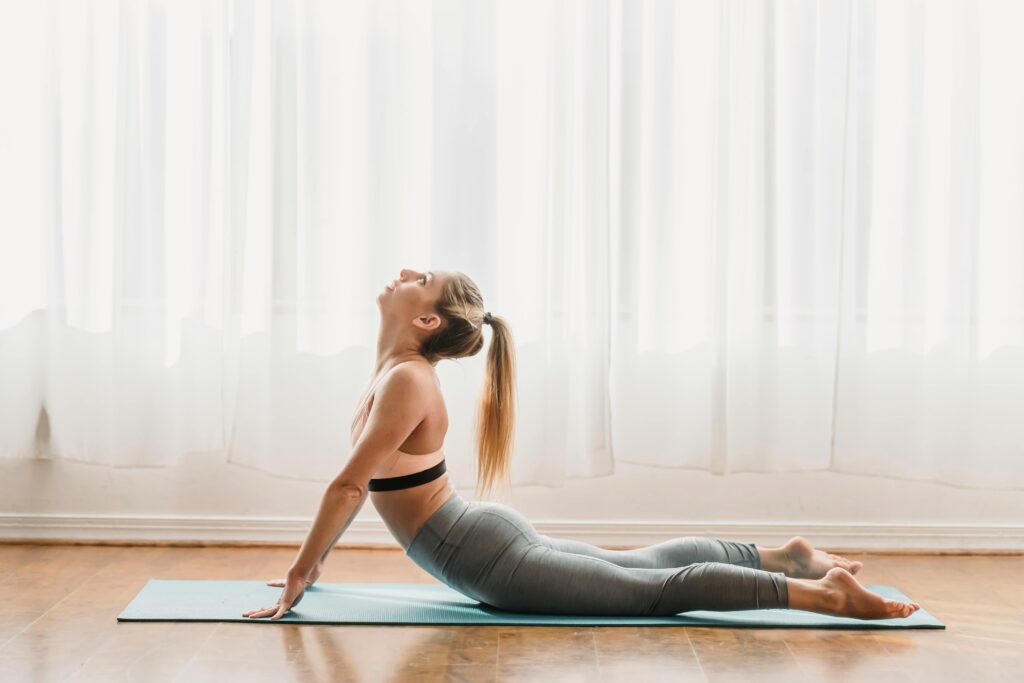
4. Cobra Pose (Bhujangasana)
Why It Helps
Cobra Pose strengthens the spine and opens the chest, helping reverse poor posture.
Steps
- Lie on your stomach.
- Place palms under shoulders.
- Inhale and lift your chest.
- Keep elbows slightly bent.
- Hold for 15–30 seconds.
Benefits
- Strengthens lower back muscles
- Improves posture
- Opens chest and shoulders
Best For
- Slouching posture
- Upper back stiffness
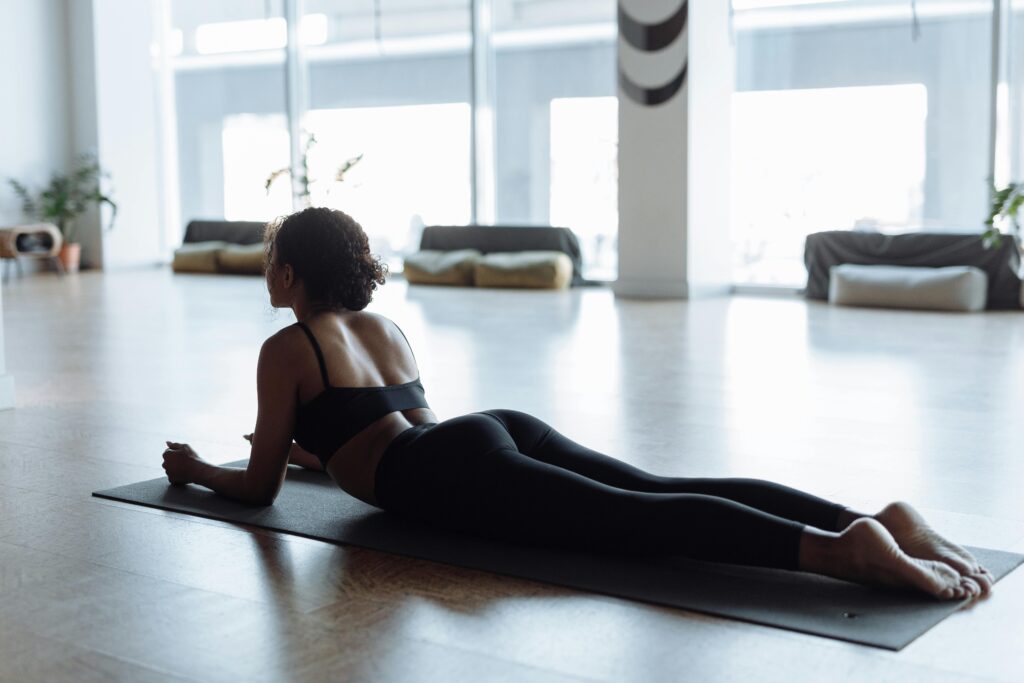
5. Sphinx Pose
Why It Helps
A gentle backbend that supports spinal alignment without excessive strain.
Steps
- Lie on your stomach.
- Place forearms on the floor.
- Lift your chest slightly.
- Relax shoulders.
- Hold for 1 minute.
Benefits
- Strengthens the spine
- Gentle on beginners
- Improves posture
6. Bridge Pose (Setu Bandhasana)
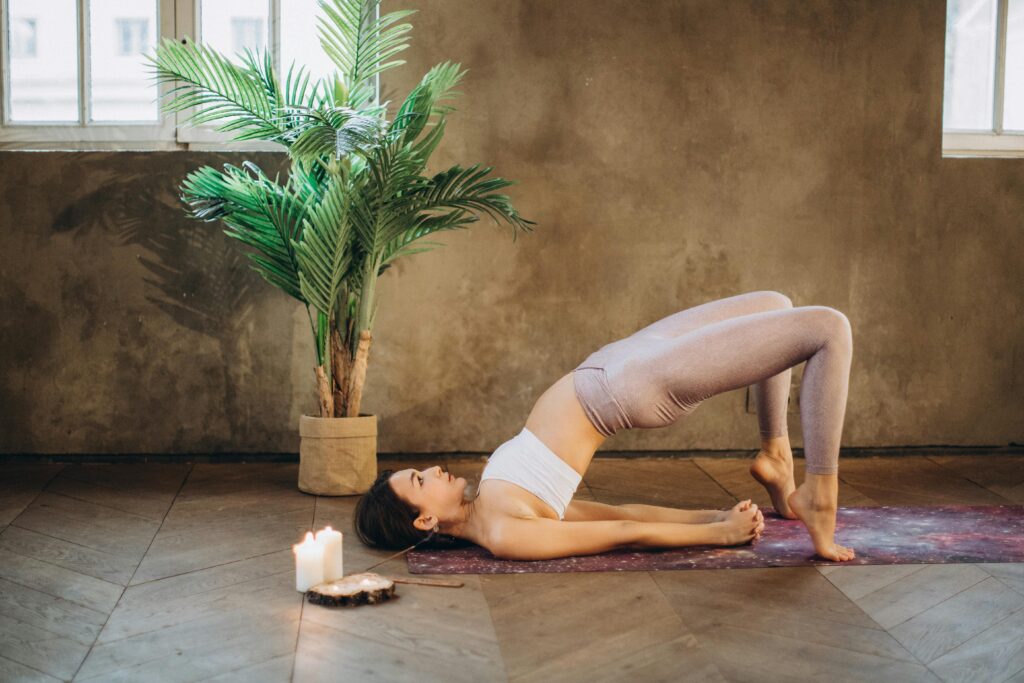
Why It Helps
Bridge Pose strengthens the lower back, glutes, and core muscles.
Steps
- Lie on your back.
- Bend knees and place feet flat.
- Lift hips upward.
- Keep shoulders grounded.
- Hold for 20–30 seconds.
Benefits
- Strengthens core muscles
- Improves spinal stability
- Reduces lower back pain
Best For
- Weak lower back muscles
- Poor posture
7. Supine Twist (Supta Matsyendrasana)
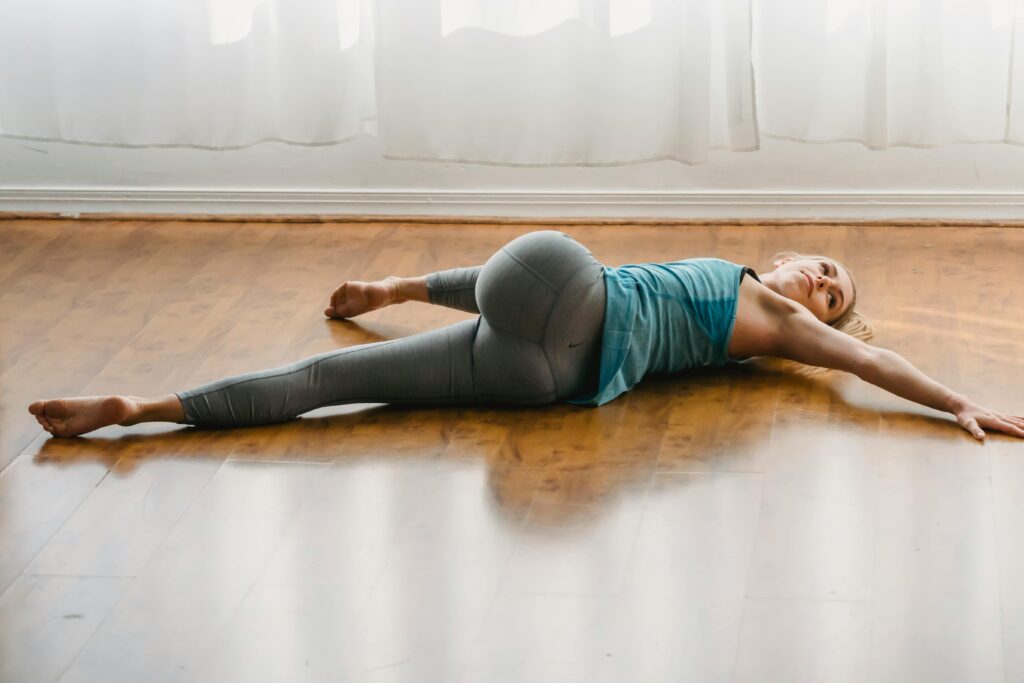
Why It Helps
This relaxing twist stretches the spine and relieves tension.
Steps
- Lie on your back.
- Bring one knee toward chest.
- Twist it across the body.
- Extend opposite arm.
- Hold for 30 seconds each side.
Benefits
- Relieves spinal tension
- Improves mobility
- Enhances relaxation
8. Pigeon Pose (Eka Pada Rajakapotasana)
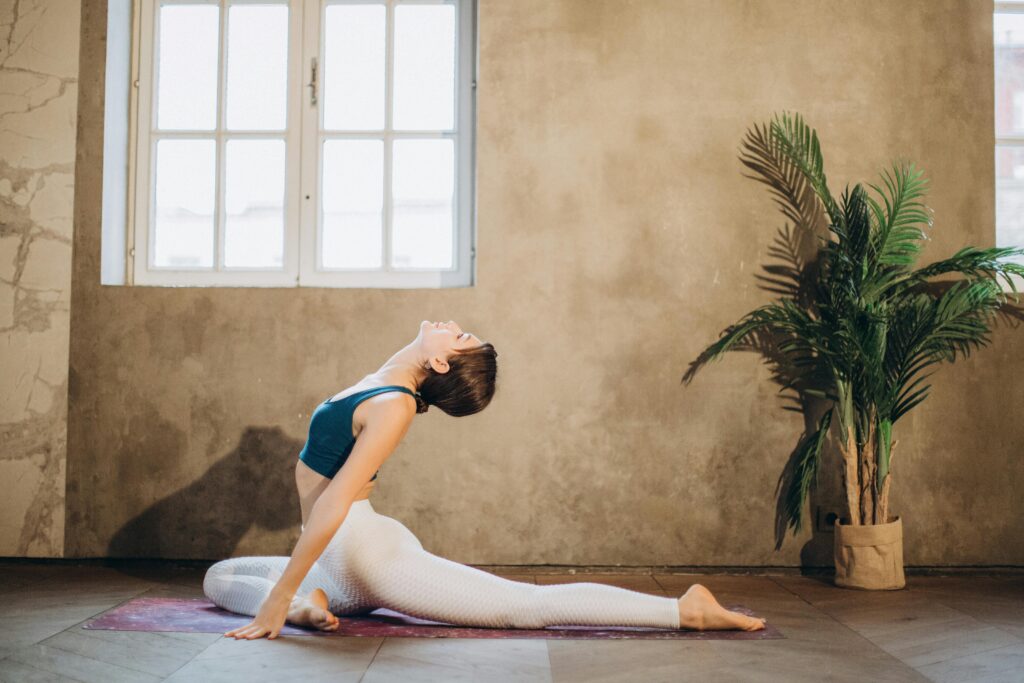
Why It Helps
Tight hips often contribute to lower back pain. Pigeon Pose deeply stretches hip muscles.
Steps
- Bring one knee forward.
- Extend the opposite leg back.
- Lower hips gently.
- Lean forward if comfortable.
Benefits
- Opens tight hips
- Reduces lower back pressure
- Improves flexibility
9. Knees-to-Chest Pose (Apanasana)
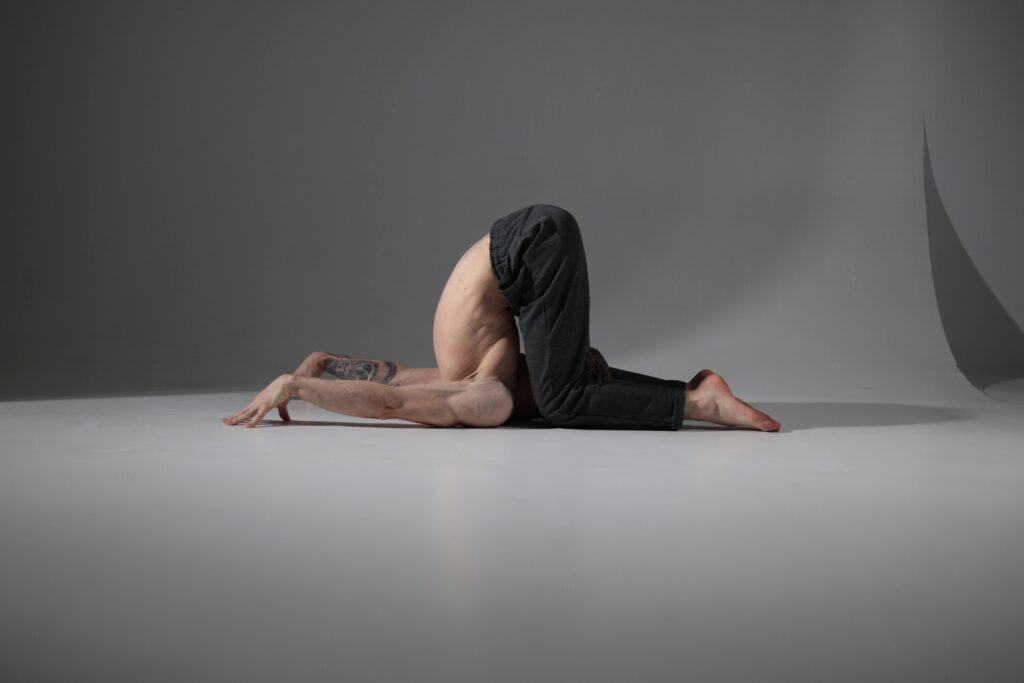
Why It Helps
A simple restorative pose that relaxes the lower back muscles.
Steps
- Lie on your back.
- Hug knees into chest.
- Rock gently side to side.
- Hold for 30–60 seconds.
Benefits
- Releases lower back tension
- Improves circulation
- Relaxes hips
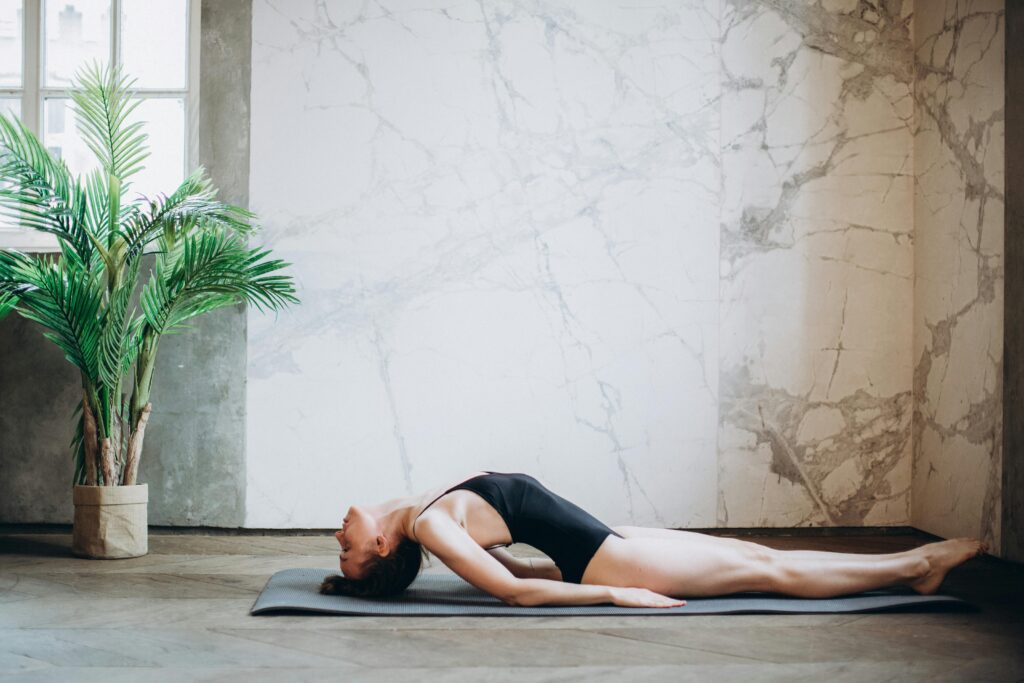
10. Locust Pose (Salabhasana)
Why It Helps
Strengthens the muscles supporting the spine.
Steps
- Lie face down.
- Lift chest and legs slightly.
- Keep neck neutral.
- Hold for 15–20 seconds.
Benefits
- Strengthens back muscles
- Improves posture
- Builds spinal support
Beginner Yoga Routine for Back Pain
Here’s a simple daily sequence.
| Yoga Pose | Duration |
|---|---|
| Child’s Pose | 1 minute |
| Cat-Cow Pose | 2 minutes |
| Cobra Pose | 30 seconds |
| Bridge Pose | 30 seconds |
| Supine Twist | 1 minute |
| Knees-to-Chest Pose | 1 minute |
Practice this routine daily for best results.
Tips for Practicing Yoga Safely
Important Safety Guidelines
- Move slowly and gently
- Never force a stretch
- Focus on breathing
- Stop if pain worsens
- Use yoga props if needed
- Practice on a comfortable mat
- Consult a doctor for severe pain
Best Time to Practice Yoga for Back Pain
The best times are:
- Early morning for flexibility
- Evening to release stress and stiffness
Consistency matters more than timing.
Can Yoga Cure Chronic Back Pain?
Yoga may not instantly cure serious medical conditions, but it can significantly improve:
- Mobility
- Strength
- Posture
- Pain levels
- Mental well-being
Many people experience noticeable relief within a few weeks of regular practice.
Who Should Avoid Certain Yoga Poses?
Avoid advanced poses if you have:
- Severe spinal injuries
- Herniated disc complications
- Recent surgery
- Pregnancy-related limitations
- Acute inflammation
Always consult a healthcare professional when necessary.
Lifestyle Tips to Prevent Back Pain
Yoga works best when combined with healthy habits.
Healthy Habits Include
- Sitting with proper posture
- Staying physically active
- Sleeping on a supportive mattress
- Maintaining healthy weight
- Drinking enough water
- Reducing stress
- Taking breaks from screens
Frequently Asked Questions (FAQs)
Which yoga is best for lower back pain?
Child’s Pose, Cat-Cow, Cobra Pose, and Bridge Pose are highly effective for lower back pain relief.
Can beginners do yoga for back pain?
Yes, beginners can safely practice gentle yoga poses with proper guidance.
How long does yoga take to reduce back pain?
Some people feel relief after a few sessions, while chronic pain may require consistent practice for several weeks.
Is yoga better than gym exercises for back pain?
Yoga focuses on flexibility, mobility, and relaxation, making it especially beneficial for chronic stiffness and posture-related pain.
Can yoga worsen back pain?
Improper technique or forcing movements can worsen pain. Practice carefully and avoid aggressive stretching.
Final Thoughts
Yoga is one of the most effective natural ways to manage and reduce back pain. Regular practice can improve posture, strengthen muscles, increase flexibility, and reduce stress — all of which contribute to a healthier spine.
The key is consistency. Start with gentle poses, focus on your breathing, and listen to your body. Over time, yoga can help you move more freely, feel stronger, and enjoy a pain-free lifestyle.
If you’re dealing with persistent or severe back pain, consult a qualified healthcare professional before beginning any exercise program.