Namaste: More Than Just a Greeting
Table of Contents
- Introduction
- What Does Namaste Actually Mean?
- The Sanskrit Origin of Namaste
- The Spiritual Meaning Behind Namaste
- Namaste in Indian Culture and Traditions
- Why Yogis Use Namaste
- The Hand Gesture Explained: Anjali Mudra
- Namaste as a Symbol of Respect and Equality
- How Namaste Became Popular Worldwide
- Misunderstandings About Namaste
- Is Namaste Religious or Universal?
- Benefits of Practicing Namaste in Daily Life
- How to Use Namaste Correctly
- Namaste in Modern Wellness Culture
- Common Mistakes People Make
- Final Thoughts
- Frequently Asked Questions
- Internal Linking Suggestions
- Image SEO Suggestions
Introduction
In a world filled with rushed conversations, digital distractions, and superficial interactions, one ancient word continues to carry profound depth, peace, and human connection: Namaste.
For many people around the world, Namaste is simply associated with yoga classes or Indian greetings. But in reality, Namaste is far more than a casual word spoken at the end of a yoga session. It is a deeply meaningful expression rooted in spirituality, humility, respect, and the recognition of shared humanity.
Over centuries, this simple gesture and word have traveled from ancient Indian traditions to global wellness culture. Yet many still do not fully understand its origin, historical significance, or spiritual essence.
This article explores the true meaning of Namaste, its history, cultural roots, symbolism, and why it remains relevant even in the modern world.
What Does Namaste Actually Mean?
The word Namaste comes from Sanskrit, one of the world’s oldest languages.
It is made from two Sanskrit words:
- “Namah” = bow, honor, or salutation
- “Te” = to you
Together, Namaste translates roughly to:
“I bow to you.”
However, its deeper spiritual interpretation is often understood as:
“The divine in me honors the divine in you.”
This interpretation reflects the ancient Indian belief that every human being carries a sacred energy or inner consciousness.
Namaste is not just about greeting someone politely. It acknowledges respect, equality, and spiritual connection beyond social status, appearance, or background.
The Sanskrit Origin of Namaste
The roots of Namaste trace back thousands of years to ancient India, where Sanskrit was widely used in spiritual texts, philosophy, yoga traditions, and Vedic teachings.
The term appears in:
- Hindu scriptures
- Buddhist traditions
- Jain philosophy
- Yogic literature
Historically, Namaste was used:
- by sages,
- spiritual teachers,
- monks,
- householders,
- and ordinary people alike.
In ancient Indian culture, greetings were not merely social formalities. They reflected values such as:
- humility,
- awareness,
- gratitude,
- and respect for life.
Unlike modern greetings that can feel automatic or transactional, Namaste carried emotional and spiritual intention.
The Spiritual Meaning Behind Namaste
To truly understand Namaste, one must go beyond literal translation.
In yogic philosophy, every person possesses:
- consciousness,
- life force energy,
- and divine essence.
When someone says Namaste sincerely, they symbolically recognize this sacred presence in another person.
This creates:
- mutual respect,
- energetic acknowledgment,
- and emotional presence.
Spiritually, Namaste encourages people to:
- let go of ego,
- see others equally,
- and interact with mindfulness.
This is why the gesture often creates a calming and grounding feeling.
In many traditional teachings, the practice of Namaste reminds people that human connection is deeper than material identity.
Namaste in Indian Culture and Traditions
In India, Namaste has been practiced for generations across homes, temples, villages, and communities.
People traditionally use Namaste:
- when greeting elders,
- welcoming guests,
- praying,
- showing gratitude,
- or offering respect.
Children are often taught from a young age to greet elders with folded hands as a symbol of humility and good manners.
Unlike handshakes, Namaste does not require physical contact. This makes it:
- hygienic,
- respectful,
- peaceful,
- and universally accessible.
During the COVID-19 pandemic, many global leaders and public figures adopted Namaste as a safer and more respectful greeting alternative.
This moment also helped many people rediscover the cultural wisdom behind the gesture.
Why Yogis Use Namaste
If you attend yoga classes anywhere in the world, you have likely heard instructors say Namaste at the end of practice.
In yoga, Namaste symbolizes:
- gratitude,
- mindfulness,
- inner peace,
- and shared energy.
After completing a yoga session, practitioners often feel calmer, more centered, and emotionally balanced. Saying Namaste becomes a way to honor:
- the teacher,
- the students,
- the practice,
- and oneself.
In yogic tradition, the end of class is not merely the end of exercise. It is the completion of a mindful journey inward.
Namaste reflects this sacred closure beautifully.
The Hand Gesture Explained: Anjali Mudra
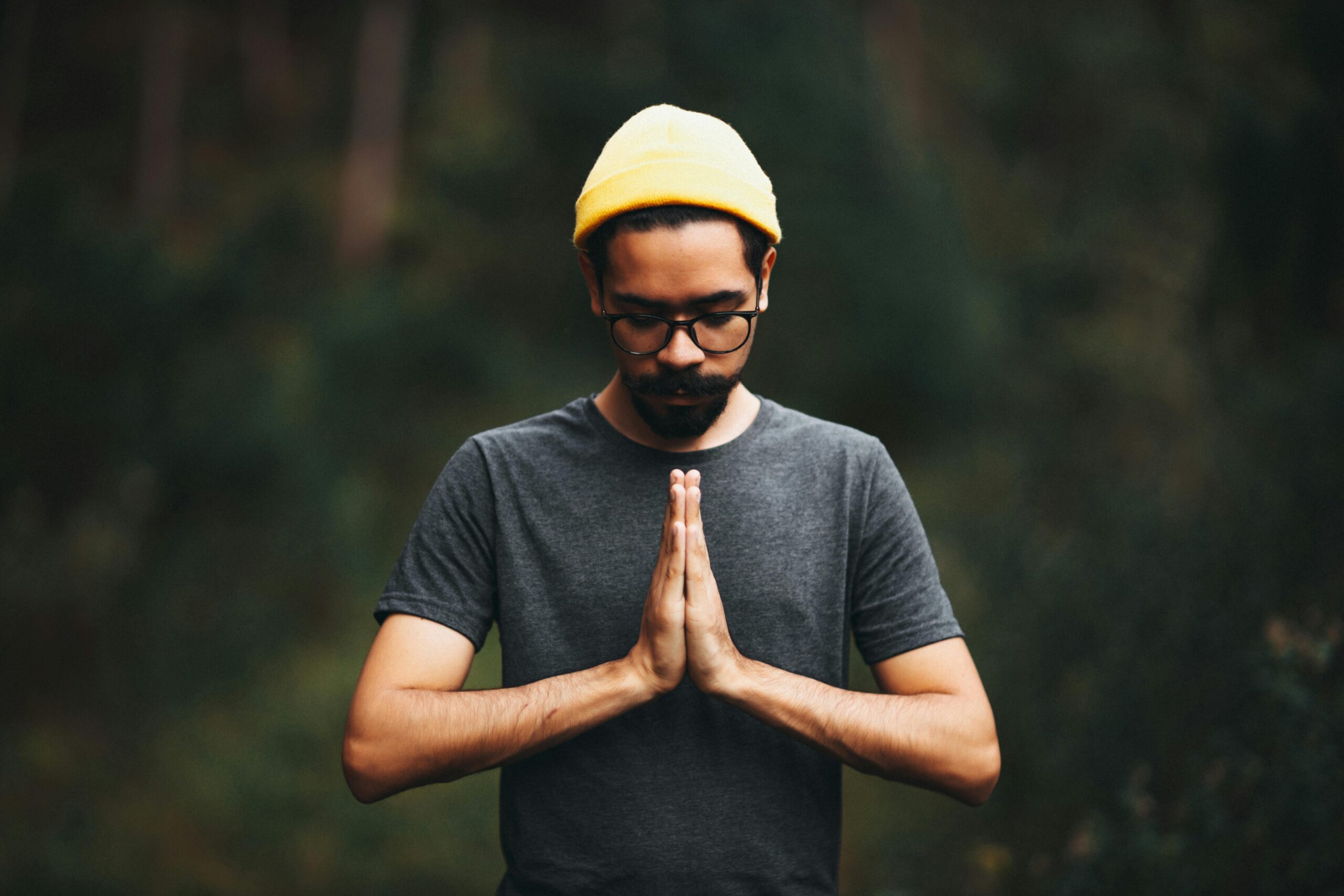
Namaste is commonly performed with palms pressed together near the heart center while slightly bowing the head.
This gesture is called Anjali Mudra.
Symbolically:
- the left and right palms represent balance,
- unity,
- harmony,
- and duality becoming one.
The gesture near the heart center represents sincerity and emotional connection.
In yoga and meditation traditions, mudras are believed to influence mental and energetic states. Anjali Mudra encourages:
- calmness,
- centeredness,
- focus,
- and gratitude.
Even a few moments in this posture can create a subtle sense of peace.
Namaste as a Symbol of Respect and Equality
One of the most beautiful aspects of Namaste is its equality.
It does not depend on:
- wealth,
- power,
- social rank,
- religion,
- or nationality.
Whether greeting:
- a teacher,
- a stranger,
- a friend,
- or a spiritual master,
the gesture remains rooted in mutual respect.
This philosophy is deeply relevant today.
Modern society often emphasizes competition and external identity. Namaste gently reminds people to recognize shared humanity instead.
It encourages compassion over ego.
How Namaste Became Popular Worldwide
Over the past few decades, yoga and meditation have expanded globally. Along with them, Namaste entered mainstream wellness culture.
Today, the word is commonly heard in:
- yoga studios,
- wellness retreats,
- meditation centers,
- spiritual workshops,
- and mindfulness communities.
Celebrities, travelers, wellness influencers, and spiritual teachers have also contributed to its popularity.
However, with popularity came simplification.
Many people now use Namaste casually without understanding its cultural or spiritual significance. This is why learning its true meaning matters.
Misunderstandings About Namaste
As Namaste became globally recognized, several misconceptions also emerged.
Common misunderstandings include:
1. Thinking Namaste Is Just “Hello”
Namaste is much deeper than a simple greeting.
2. Assuming It Belongs to One Religion Only
While rooted in Indian traditions, Namaste carries universal values like respect and humility.
3. Using It Mockingly or Superficially
Using Namaste without awareness can unintentionally disrespect its cultural roots.
4. Treating It as a Trend
Namaste is not a fashion statement or social media aesthetic. It is part of a living spiritual and cultural tradition.
Understanding context helps preserve authenticity.
Is Namaste Religious or Universal?
This question is increasingly common today.
Although Namaste has origins in Indian spiritual traditions, its essence is universal.
The core values behind Namaste include:
- respect,
- mindfulness,
- peace,
- gratitude,
- and recognition of human dignity.
People from various backgrounds practice Namaste today because these values transcend religious boundaries.
At the same time, it is important to acknowledge and respect its Indian cultural origins rather than disconnecting it from its heritage.
Benefits of Practicing Namaste in Daily Life
Namaste is not only symbolic. It can also positively influence mindset and emotional well-being.
1. Encourages Mindfulness
Saying Namaste consciously brings awareness into interactions.
2. Reduces Ego
The gesture promotes humility and emotional balance.
3. Creates Peaceful Communication
It naturally softens tone and body language.
4. Builds Respectful Relationships
People feel acknowledged and valued.
5. Supports Emotional Presence
Namaste encourages genuine human connection rather than rushed interaction.
In modern life, these small mindful practices can make a meaningful difference.
How to Use Namaste Correctly
Using Namaste respectfully is simple.
Basic Guidelines:
- Bring palms together near the chest
- Slightly bow the head
- Speak gently and sincerely
- Use it with awareness, not performance
Namaste is most appropriate in:
- yoga settings,
- spiritual gatherings,
- respectful greetings,
- meditation environments,
- and mindful interactions.
Authenticity matters more than perfection.
Namaste in Modern Wellness Culture
Today, wellness culture often emphasizes:
- mindfulness,
- mental health,
- self-awareness,
- and holistic living.
Namaste naturally aligns with these values.
However, true wellness goes beyond trends and aesthetics. The deeper wisdom of Namaste lies in:
- slowing down,
- becoming present,
- respecting others,
- and reconnecting with inner peace.
Many yoga practitioners discover that Namaste gradually becomes not just a greeting — but a mindset.
Common Mistakes People Make
Overcommercializing It
Printing spiritual symbols without understanding them can dilute meaning.
Using It as a Joke
Mockery disconnects the practice from its respectful roots.
Ignoring Cultural Context
Acknowledging Indian heritage is important.
Saying It Without Intention
Mindfulness gives Namaste its depth.
Final Thoughts
Namaste is much more than a greeting.
It is:
- a philosophy,
- a gesture of humility,
- a spiritual acknowledgment,
- and a timeless reminder of human connection.
In a world increasingly divided by noise, speed, and ego, the essence of Namaste feels more valuable than ever.
Its enduring relevance comes from its simplicity:
to pause,
to acknowledge another person sincerely,
and to recognize the shared humanity within us all.
Whether spoken in a yoga studio, a temple, a peaceful home, or during daily interaction, Namaste continues to carry a quiet wisdom that transcends cultures and generations.
And perhaps that is why this ancient greeting still resonates so deeply in the modern world.
Frequently Asked Questions
What is the real meaning of Namaste?
Namaste means “I bow to you” and spiritually symbolizes honoring the divine presence within another person.
Is Namaste a religious greeting?
Namaste has roots in Indian spiritual traditions but is widely appreciated today as a universal expression of respect and mindfulness.
Why do yoga teachers say Namaste?
Yoga teachers often say Namaste to express gratitude, respect, and shared positive energy at the end of practice.
Can non-Indians say Namaste?
Yes, as long as it is used respectfully and with awareness of its cultural origins.
What is the hand gesture called in Namaste?
The folded hands gesture is called Anjali Mudra.
Is Namaste better than a handshake?
Both are culturally meaningful, but Namaste offers a non-contact, respectful alternative that many people appreciate.